

Exploring the Best Cycling Infrastructure Cities in Spain
Spain has emerged as a global leader in cycling infrastructure, offering a perfect blend of urban convenience and scenic routes. With a growing emphasis on sustainable transportation, the country has transformed its cities into some of the most best cycling infrastructure cities Spain has to offer. From well-planned bike lanes to integrated cycling networks, Spain’s commitment to promoting cycling is evident in its urban planning. According to bike-friendly cities in Spain, the country’s cycling culture is deeply rooted in its history, but modern advancements have made it a haven for cyclists of all levels.
Top Cities with Best Cycling Infrastructure
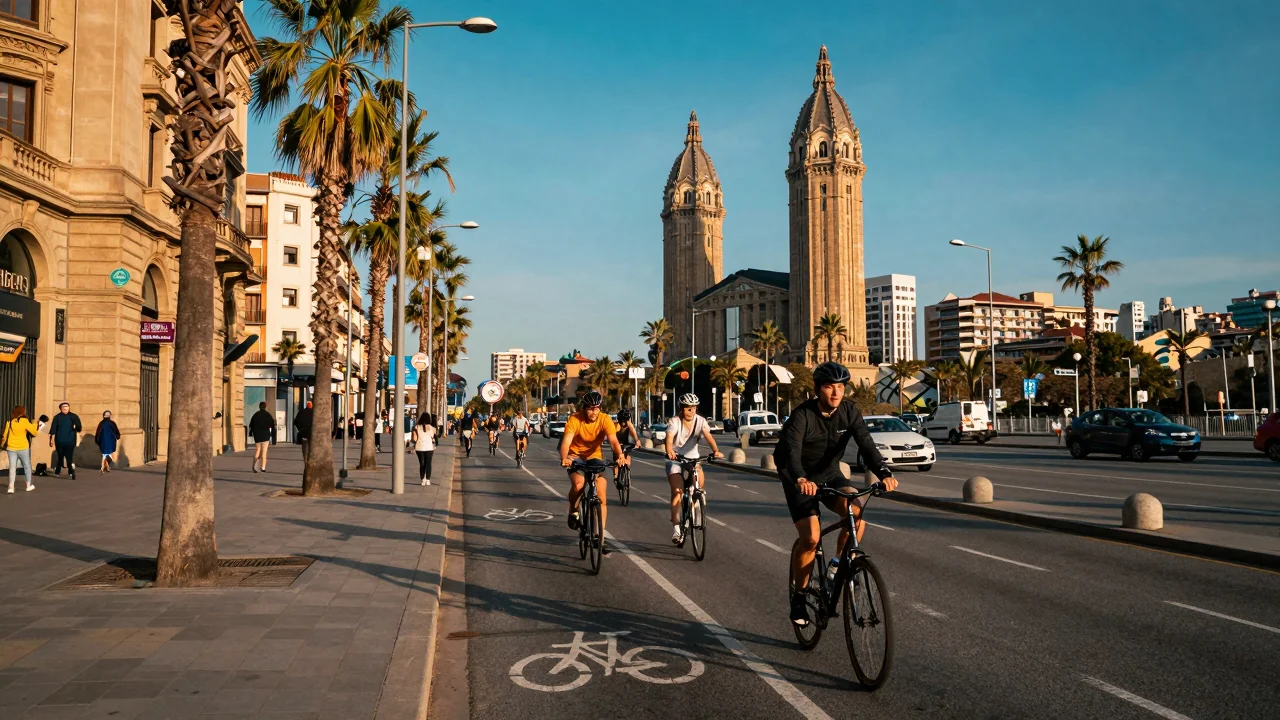
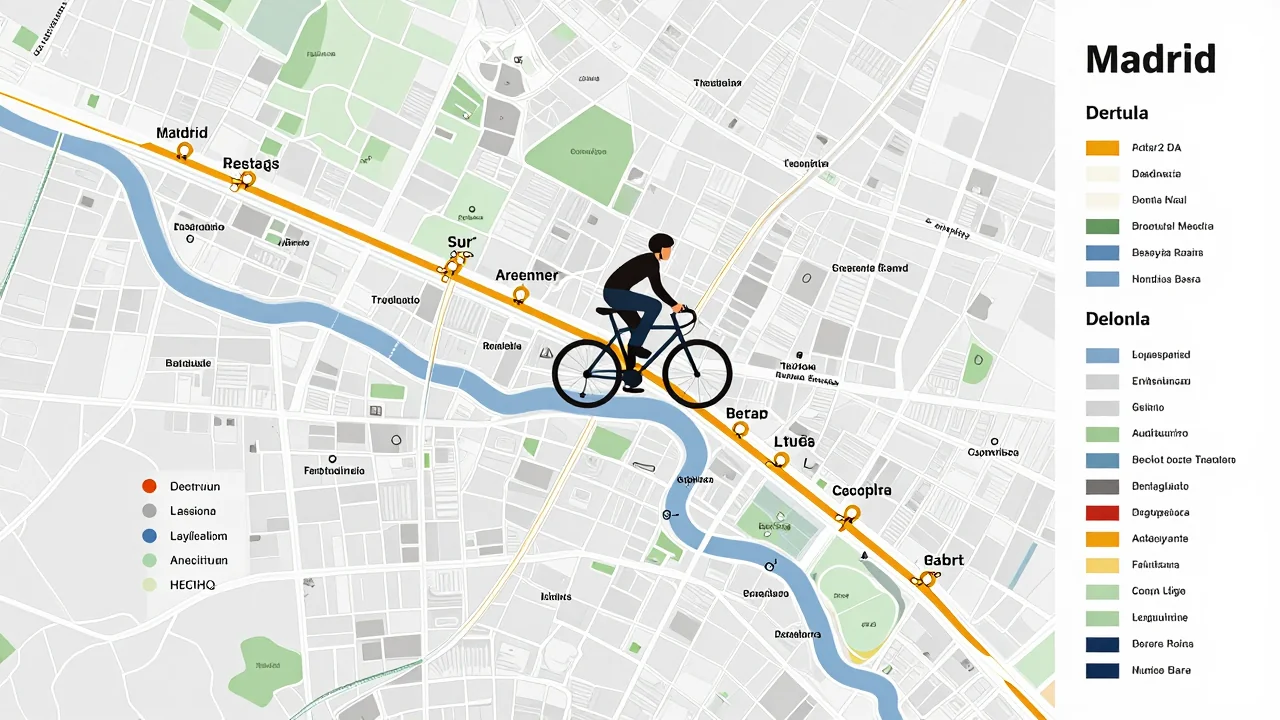
Several Spanish cities stand out for their exceptional cycling infrastructure. Barcelona, known for its extensive network of bike lanes, has become a benchmark for urban cycling. The city’s commitment to reducing car traffic has led to the creation of dedicated cycling paths that connect major landmarks and residential areas. Madrid, another top contender, has seen a significant increase in cycling lanes, making it easier for residents and tourists alike to explore the city on two wheels.
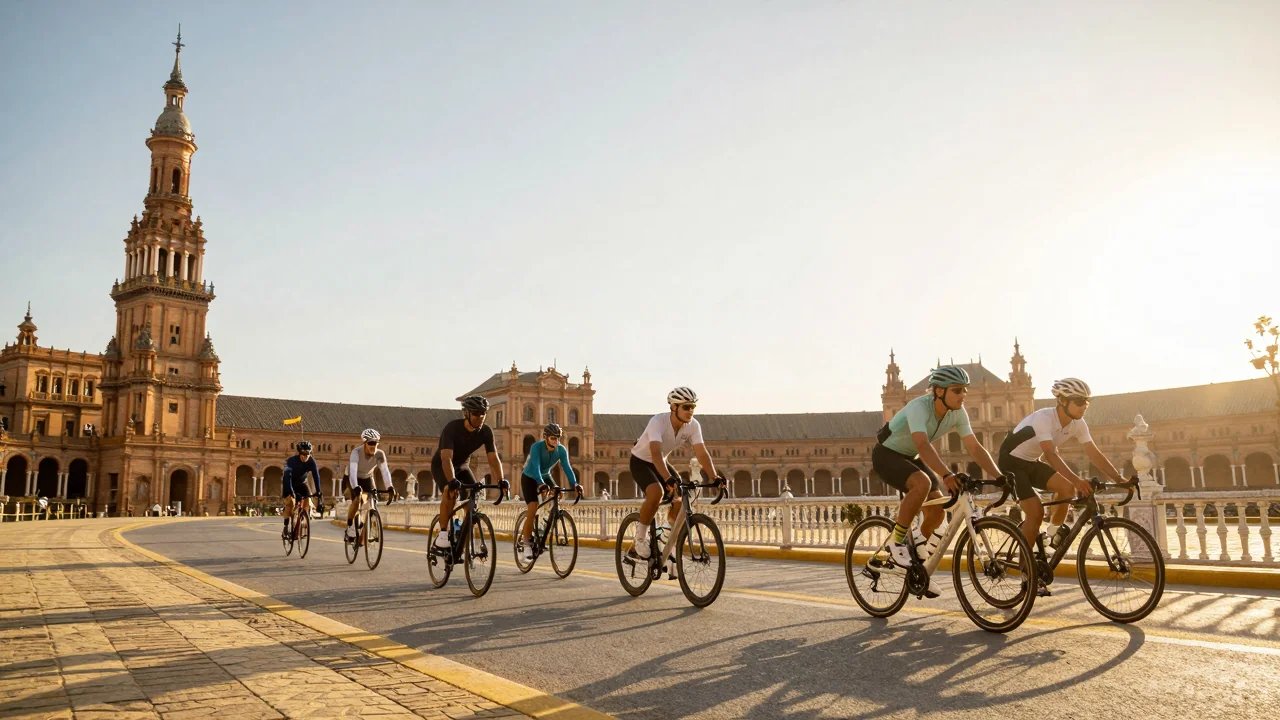
Valencia is celebrated for its innovative cycling policies, including bike-sharing programs and real-time traffic monitoring for cyclists. For those looking to explore beyond the capital cities, Bilbao offers a unique blend of urban and natural cycling routes. The top cities for cycling in Spain also include Seville, which has transformed its streets to prioritize cyclists and pedestrians. For a detailed look at Bilbao’s offerings, check out the best cycling routes in Bilbao, which cater to all levels of cyclists.
Benefits of Cycling Infrastructure
The benefits of investing in cycling infrastructure are manifold. For cities, it reduces traffic congestion and lowers carbon emissions, contributing to a cleaner environment. For individuals, cycling promotes physical health and mental well-being, providing a low-cost and efficient mode of transportation. Cities with robust cycling infrastructure also see a boost in tourism, as cyclists from around the world flock to explore these bike-friendly destinations.
Economic benefits are another key advantage. Local businesses thrive as cyclists frequent cafes, shops, and cultural sites along their routes. Additionally, the development of cycling infrastructure creates jobs in construction, maintenance, and tourism sectors. These factors collectively contribute to the overall economic growth of the cities.
Family-Friendly Cycling Infrastructure
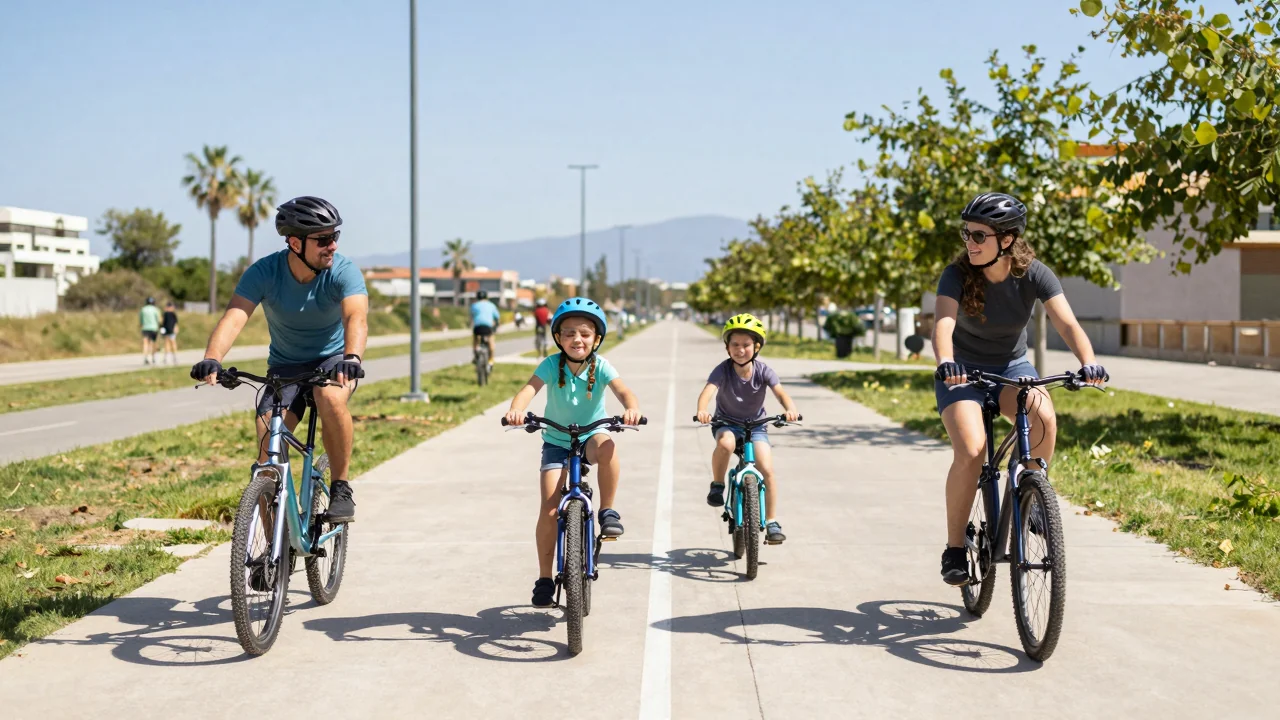
Spain’s cycling infrastructure is not just for avid cyclists; it’s also designed with families in mind. Many cities have developed safe, separated bike lanes that are perfect for family outings. These routes often pass through parks, playgrounds, and other family-friendly areas, making cycling a fun and educational activity for children. For those new to cycling, Spain offers a variety of easy bike tours for beginners, ensuring that everyone, regardless of skill level, can enjoy the experience.
Safety is a top priority, with cities implementing traffic calming measures and educational programs to promote safe cycling practices. Bike-sharing programs with child seats and trailers are also available, making it easier for families to explore the city together. These initiatives have made Spain a leading destination for family-friendly cycling.
Challenges and Future Improvements
Despite the progress, challenges remain. Some cities still face issues with limited cycling infrastructure in certain areas, and there is a need for continuous improvement. Future plans include expanding bike lane networks, integrating smart technology for real-time navigation, and enhancing safety measures. Collaboration between local governments, urban planners, and cycling advocacy groups will be crucial in overcoming these challenges.
Innovative solutions such as green waves for cyclists, which synchronize traffic lights to create a continuous flow, are being explored. Additionally, there is a push for more bike-friendly public transportation, allowing cyclists to seamlessly transition between different modes of transport. These efforts aim to make cycling an even more attractive option for daily commuting and leisure activities.
Tips for Cyclists Visiting Spain
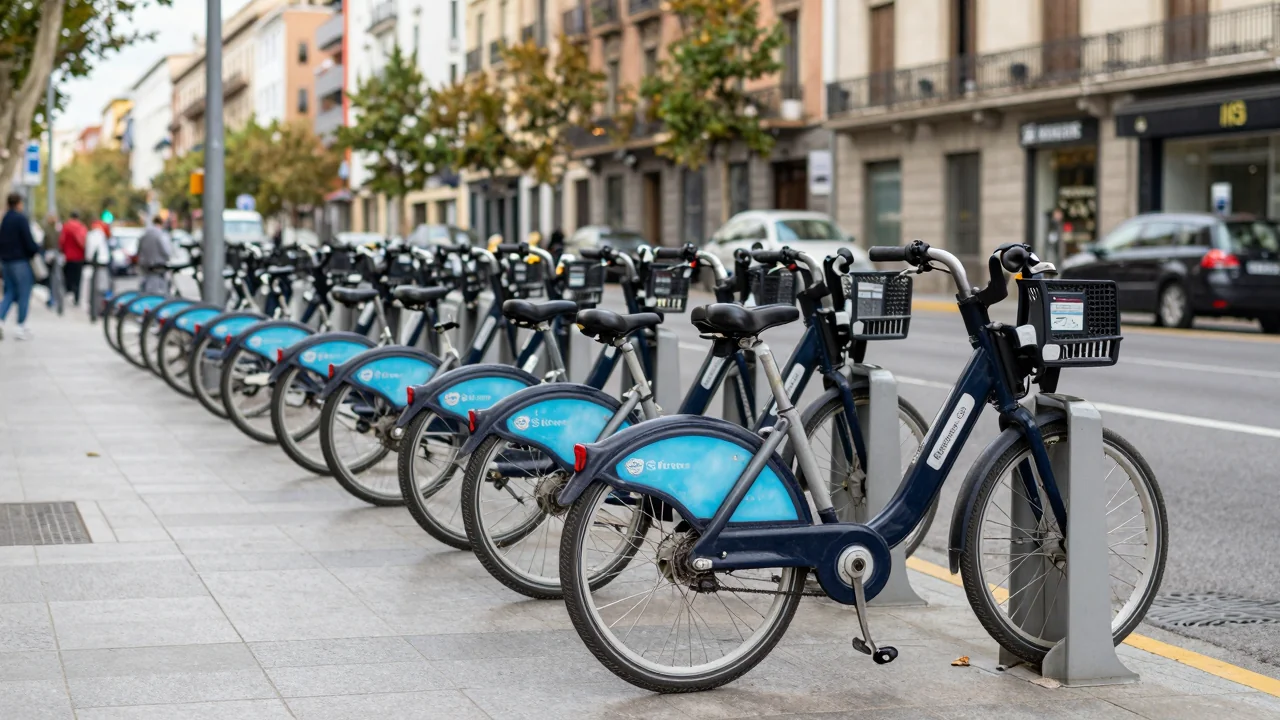
For cyclists planning a visit to Spain, there are several tips to ensure a smooth and enjoyable experience. Familiarize yourself with local cycling laws and regulations, as they can vary between cities. Utilize bike-sharing programs and apps that provide real-time information on bike availability and routes. Always wear a helmet and use reflective gear, especially when cycling at night.
Plan your routes in advance, taking advantage of the numerous cycling apps and maps available. Consider joining guided bike tours to explore hidden gems and learn about the local culture. Stay hydrated and take breaks at the many cycling-friendly cafes and rest stops along the way. By following these tips, you can make the most of your cycling adventure in Spain.
Comparing Cycling Infrastructure Across Europe
When comparing cycling infrastructure across Europe, Spain stands out for its commitment to creating a balanced and inclusive cycling environment. While countries like the Netherlands and Denmark are often praised for their long-standing cycling cultures, Spain has made significant strides in recent years. The integration of cycling into urban planning, combined with a focus on safety and accessibility, sets Spain apart as a leader in sustainable transportation.
Spain’s approach to cycling infrastructure is holistic, addressing the needs of commuters, tourists, and families alike. The country’s diverse landscapes offer a variety of cycling experiences, from coastal rides to mountain trails. This versatility makes Spain a unique destination for cyclists seeking both adventure and convenience.
Conclusion: Why Spain is a Great Destination for Cyclists
In conclusion, Spain’s best cycling infrastructure cities provide an unparalleled cycling experience that combines modern amenities with scenic beauty. The country’s commitment to sustainable transportation, family-friendly initiatives, and continuous improvements make it a top destination for cyclists of all levels. Whether you’re a local resident or a visitor, Spain offers a cycling environment that is safe, enjoyable, and accessible.
As Spain continues to invest in its cycling infrastructure, the future looks bright for cyclists. The integration of smart technology, expanded bike lane networks, and innovative solutions will further enhance the cycling experience. For those looking to explore the best that cycling has to offer, Spain is a destination that should not be missed.