
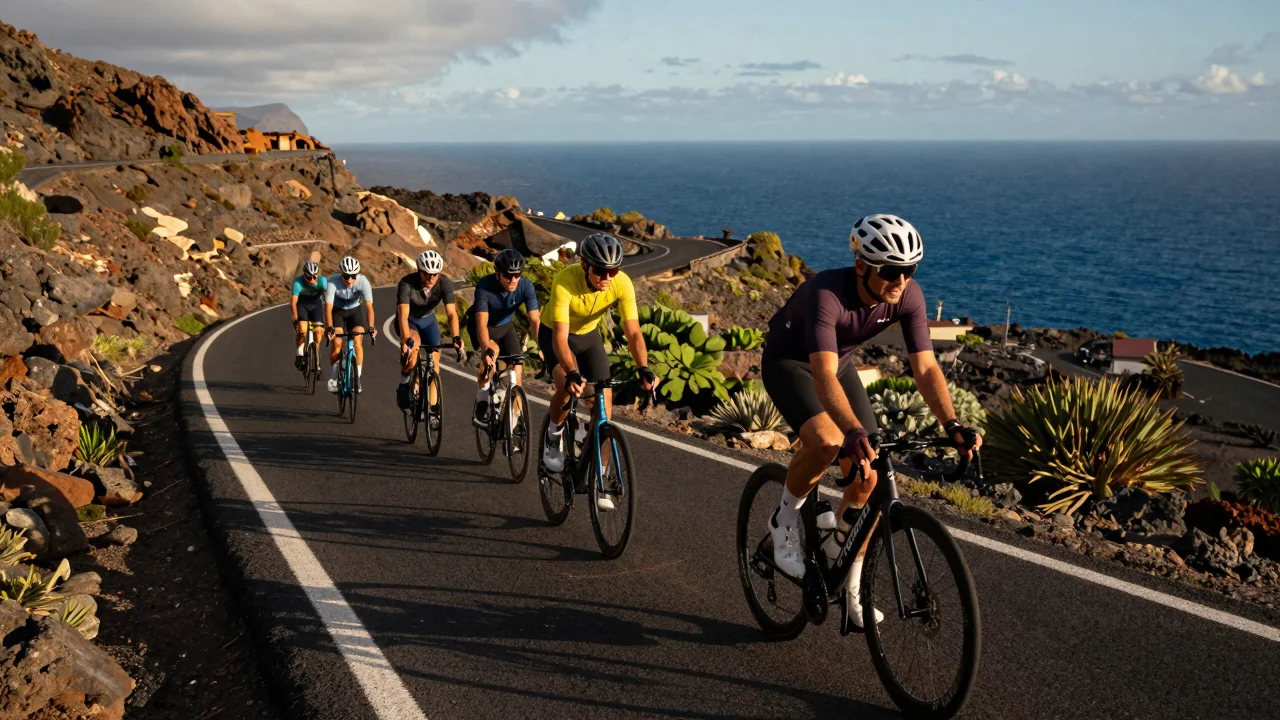
Did you know that Gran Canaria’s cycling routes attract over 500,000 riders annually, making it one of Europe’s top destinations for two-wheeled adventures? Cycling Gran Canaria isn’t just about scenic rides—it’s a thrilling mix of challenging climbs and coastal beauty, drawing pros and amateurs alike. With its volcanic terrain and microclimates, the island offers something for every skill level in 2026. Whether you’re chasing personal bests or simply soaking in the views, Gran Canaria delivers an unforgettable experience on wheels.
This year’s cycling scene is more vibrant than ever, thanks to new trail upgrades and a growing community of riders sharing real-time route insights. From the legendary ascent of Pico de las Nieves to the serene paths around Maspalomas Dunes, every turn reveals why Gran Canaria remains a bucket-list destination. But it’s not just about the routes—local bike shops like BikePoint Gran Canaria are gearing up for 2026 with the latest e-bikes and carbon frames, ensuring riders have access to cutting-edge equipment. Whether you’re plotting your first ride or refining your training, this guide cuts through the noise with insider tips and must-know details.
Top Cycling Routes in Gran Canaria
Gran Canaria is a paradise for cyclists, offering a mix of challenging climbs and breathtaking coastal views that make every ride unforgettable. Whether you’re a seasoned pro or a casual enthusiast, the island’s diverse terrain provides something for everyone. With well-maintained roads and year-round mild weather, cycling Gran Canaria is an experience that should be on every cyclist’s bucket list.
One of the most popular routes is the North Coast Loop, which showcases the island’s lush landscapes and traditional villages. This 2026 edition of the route includes updated trail conditions and new scenic stops, ensuring riders get the best possible experience. For those looking to explore further, combining this route with a family-friendly tour in the Costa del Sol can be an excellent way to extend your cycling adventure—check out Best Bike Tours Costa del Sol for Families in 2026 for inspiration.
Key features of the North Coast Loop include:
– A mix of coastal and inland paths, offering varied scenery
– Gentle climbs with panoramic views of the Atlantic Ocean
– Pit stops in charming villages like Agaete and Moya
– Well-marked trails suitable for intermediate riders
– Access to fresh local produce and traditional Canarian cuisine
The North Coast Loop (2026 Edition)
This scenic route takes you through some of Gran Canaria’s most picturesque landscapes, including the verdant valleys of the north and the rugged coastline. Starting in Agaete, cyclists can enjoy a leisurely ride along the sea before tackling the winding roads that lead to the interior. The 2026 edition of this route has been updated with new rest points and improved signage, making it easier for riders to navigate.
The North Coast Loop is also ideal for those looking to test their endurance on longer rides. With a total distance of around 70 kilometers (43 miles) and elevation gains of up to 1,200 meters (3,937 feet), this route offers a balanced challenge. For equipment, the Specialized Tarmac SL8 ($5,500) is a great choice for its lightweight carbon frame and smooth handling on varied terrain.
The best time to tackle this loop is early in the morning when temperatures are cooler and the coastal breezes provide natural ventilation. As you ride, keep an eye out for hidden beaches and secluded coves that make perfect spots for short breaks.
As you explore Gran Canaria’s cycling routes, understanding what gear will enhance your experience becomes essential.
Essential Gear for Cycling Gran Canaria
Packing the right equipment is crucial for an unforgettable cycling Gran Canaria experience. The island’s diverse terrain—from coastal roads to mountainous climbs—demands versatile gear that balances performance and durability. Whether you’re tackling the steep ascents of Pico de las Nieves or cruising along the wind-swept dunes of Maspalomas, having the right tools ensures comfort and safety.
Must-Have Equipment for 2026
For cycling Gran Canaria in 2026, prioritize lightweight yet robust components. A high-performance road bike like the Specialized Tarmac SL8 (starting at €5,500) is ideal, featuring aerodynamic framing and Shimano Dura-Ace Di2 electronic shifting for precise control on technical descents. Pair it with Continental Grand Prix 5000 TL tires (€69.95), known for their puncture resistance and grip on both paved and gravel sections.
“Gran Canaria’s microclimates mean cyclists should be prepared for rapid temperature shifts—layering is key.” — ProCycling Magazine, 2025
Don’t overlook safety essentials: a Lezyne Micro Drive 1000XL front light (€69.99) ensures visibility during early morning rides, while the Giro Synthe MIPS helmet (€149.99) offers impact protection without sacrificing ventilation. Hydration packs like the CamelBak Podium Big Chill (€25) keep you refreshed on long stretches between villages.
With your gear sorted, it’s time to explore how local conditions shape the best routes for every skill level.
Best Time of Year for Cycling in Gran Canaria (2026)
Gran Canaria’s mild climate makes it a year-round destination for cycling enthusiasts, but the best time to explore its routes is between March and May or September and November. These shoulder seasons offer ideal conditions—pleasant temperatures, lower humidity, and fewer tourists on the roads. For those targeting competitive events like the Tour of the Canary Islands, early spring aligns perfectly with race schedules.
Seasonal Weather Considerations
Spring brings stable weather with average daytime temperatures ranging from 18°C to 24°C, making it perfect for long-distance rides. The trade winds are calmer during this period, reducing fatigue on exposed stretches like the GC-200. However, afternoon showers can occur in late spring, so packing a lightweight waterproof jacket, such as the Castelli Idro 3 (€159), is advisable.
Summer (June–August) sees higher temperatures, especially inland, with midday heat often exceeding 30°C. Coastal routes remain manageable but require early starts or evening rides. For hydration, consider the CamelBak Podium Chill bottle (€12), which keeps fluids cool for up to three hours.
- March–May: Ideal for long-distance cycling
- June–August: Best ridden in early morning or late afternoon
- September–November: Stable weather with fewer crowds
- December–February: Cooler, but windier conditions
- Trade winds peak in July and August
While winter offers cooler temperatures (15°C–20°C), frequent Atlantic winds can make climbing routes like El Garañón more challenging. A reliable GPS device, such as the Garmin Edge 840 (€399), helps navigate shifting conditions.
The island’s microclimates mean weather can vary dramatically within short distances—always check forecasts and pack layers. With these factors in mind, planning your ride around Gran Canaria’s seasonal patterns ensures a safer and more enjoyable experience.
Ready to hit the road? Next, we’ll dive into the essential gear you’ll need for your adventure.
Safety Tips for Cycling Gran Canaria
Gran Canaria’s diverse terrain offers an exhilarating cycling experience, but safety should always be a top priority. The island’s mix of coastal roads, mountain passes, and winding routes requires cyclists to stay alert and prepared. Whether you’re tackling the challenging climb up Roque Nublo or enjoying a scenic ride along Maspalomas beach, adhering to key safety precautions ensures a smooth and enjoyable journey.
Navigating Traffic and Terrain Safely
Gran Canaria’s roads vary from well-paved highways to narrow, unpaved paths, each presenting unique challenges. Always wear a high-visibility helmet like the Giro Syntax MIPS ($120), which combines impact protection with aerodynamic design. Stay vigilant in areas with heavy traffic, particularly around Las Palmas and other urban centers. Use hand signals to communicate your intentions clearly, especially when turning or stopping.
“Cycling in Gran Canaria requires adaptability—conditions can change quickly from smooth tarmac to rough gravel sections,” advises Juan Carlos Mendez, a local cycling coach. “A good set of tires, like the Schwalbe Marathon GT 365 ($70), can make all the difference in handling varied terrain.”
Additionally, invest in reliable lighting systems such as the Cygolite Metro Pro 1200 ($100) to enhance visibility during early morning or evening rides. Familiarize yourself with local traffic laws, and always prioritize defensive riding techniques to avoid accidents.
Equipping yourself with the right gear and knowledge ensures a safe adventure on Gran Canaria’s roads, setting the stage for exploring the island’s most breathtaking cycling routes.
Local Bike Shops & Rentals (2026 Guide)
Gran Canaria’s thriving cycling scene is supported by a network of dedicated bike shops offering high-quality rentals and gear for enthusiasts exploring the island in 2026. Whether you’re tackling the challenging climbs of Pico de las Nieves or cruising along coastal routes, finding the right equipment is crucial. Local shops provide everything from road bikes to mountain bikes, ensuring riders are well-prepared for their adventures.
Where to Find Quality Bikes and Gear
For those planning cycling Gran Canaria, several reputable bike rental services stand out. In Las Palmas de Gran Canaria, BikePoint Gran Canaria offers a range of models, including the Trek Domane SL 6 (priced at around €120 per day) and the Specialized Turbo Vado 4.0 for urban commuting. Meanwhile, Mega Bike in Playa del Inglés specializes in mountain bikes like the Canyon Spectral CF 7, ideal for rugged terrain at €95 per day.
- BikePoint Gran Canaria: Trek Domane SL 6 (€120/day), Specialized Turbo Vado 4.0
- Mega Bike: Canyon Spectral CF 7 (€95/day), Scott Spark RC 900 Team Issue
- Bikemotion GC: Giant Defy Advanced Pro (€85/day), Orbea Orca M21i
- Cycling Point: Cervélo S5 (€140/day), Pinarello Dogma F12
- Ride & Go: Cannondale SuperSix Evo (€130/day), BMC Teammachine SLR01
Many shops also provide essential gear, such as helmets, cycling shoes, and GPS devices, to enhance safety and performance. With rental options catering to all budgets, visitors can easily find the perfect setup for their ride.
Before diving into Gran Canaria’s scenic routes, it’s worth considering how to fuel your journey—both literally and figuratively.
Your Ultimate Gran Canaria Cycling Adventure Awaits
Gran Canaria stands out as a premier destination for cycling enthusiasts, offering a mix of challenging climbs and scenic coastal routes that cater to all skill levels. Whether you’re tackling the steep ascents of Las Palmas or enjoying the breathtaking views along the southern coastline, cycling Gran Canaria promises an unforgettable experience. The island’s mild climate and well-maintained roads make it an ideal spot for riders year-round, with 2026 bringing even more opportunities to explore its diverse terrain.
From the iconic Pico de las Nieves climb to the serene coastal paths of Maspalomas, this article has highlighted some of the best routes and essential tips to maximize your ride. With proper preparation—including checking weather conditions, packing the right gear, and planning your route—the adventure becomes even more rewarding. Gran Canaria’s cycling community continues to grow, making it a vibrant hub for both amateur and professional cyclists alike.
Ready to hit the trails? Start planning your cycling Gran Canaria trip today and experience the thrill of riding through one of Europe’s most beautiful island landscapes!