
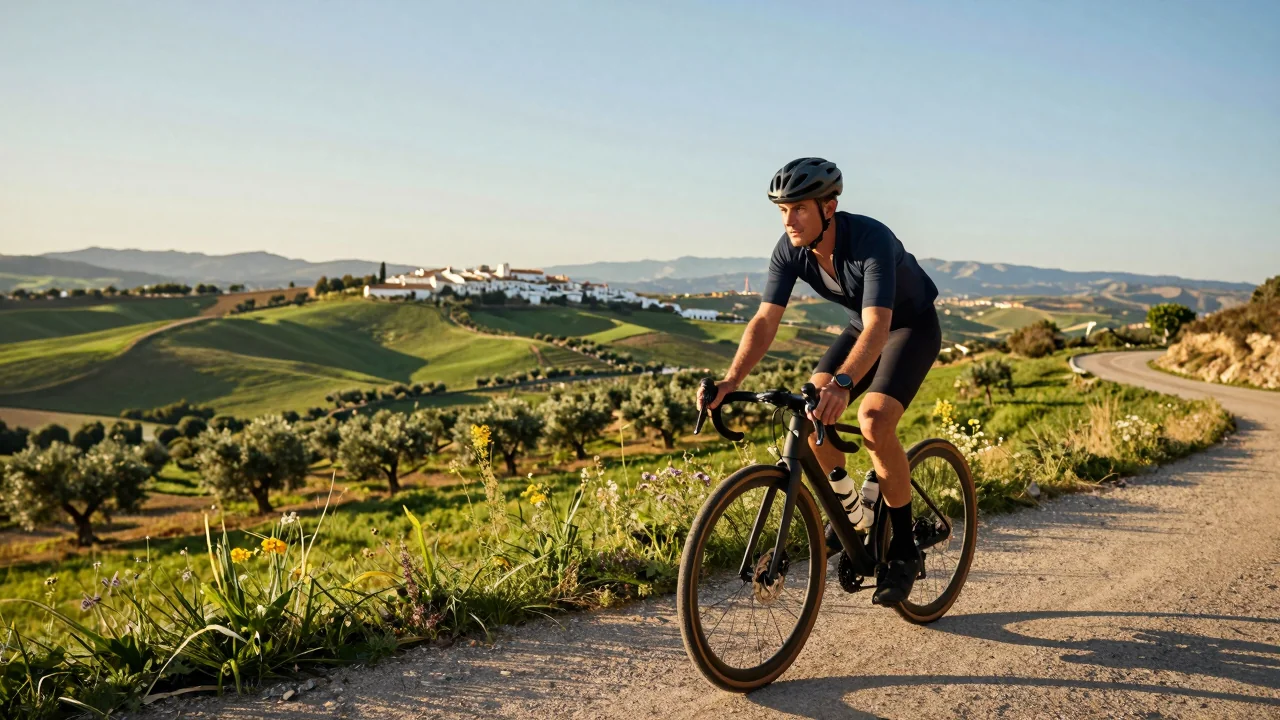
Imagine pedaling along a sun-drenched coastal path, the Mediterranean breeze carrying the scent of salt and wild herbs, only to be met with a dead end—no signage, no clear route ahead. This is the frustrating reality many cyclists face when attempting bike tourism in Spain without proper planning. While the country’s diverse landscapes—from the rugged Pyrenees to the rolling vineyards of La Rioja—promise unforgettable adventures, navigating its routes can feel like a maze without the right guidance.
In 2026, however, the game has changed. With the expansion of Spain’s Greenways network and the rise of tech-savvy cycling apps like Komoot and Strava, cyclists now have access to some of Europe’s most scenic and challenging bike trails. Whether you’re a leisure rider seeking coastal breezes or an endurance enthusiast tackling mountain passes, these routes offer a perfect blend of adventure and comfort. The question isn’t whether Spain has the best bike tourism—it’s which route will steal your heart first.
Top Bike Tourism Routes in Spain for 2026
Picture this: the golden light of dawn filtering through ancient oak trees as you pedal along a path trodden by pilgrims for centuries. This is the magic of bike tourism Spain, where history and adventure converge on two wheels. Whether you’re seeking cultural immersion or heart-pounding climbs, Spain’s routes offer something unforgettable for every cyclist.
The Camino de Santiago: A Pilgrimage on Wheels
The Camino de Santiago isn’t just a journey—it’s a transformation. This historic route, now adapted for cycling, winds through the lush green landscapes of northern Spain, connecting medieval villages with breathtaking vistas. Riders often choose the Camino Francés, the most popular variant, which stretches over 780 kilometers from Saint-Jean-Pied-de-Port to Santiago de Compostela.
- Average daily distance: 50–100 km (adjustable for all fitness levels)
- Scenic highlights: Cruz de Ferro, O Cebreiro, and the grand cathedral in Santiago
- Bike recommendation: Trek Domane SL7 ($3,299.99) for comfort over long distances
- Essential gear: High-visibility vest (e.g., Giro Range Cycling Vest, $100), hydration pack (CamelBak Podium Chill 21oz Bottle, $15)
- Cultural stops: Authentic pulperías (Galician seafood taverns) and Romanesque churches
Every pedal stroke on this route tells a story, from the Crusaders who once walked these paths to modern-day cyclists chasing personal conquests. The blend of physical challenge and spiritual reflection makes it a bucket-list experience for bike tourism Spain enthusiasts.
Pyrenees Mountain Trails: Adventure Awaits
For those craving adrenaline, the Pyrenees deliver with their dramatic ascents and sweeping descents. This range, straddling Spain and France, is home to legendary climbs like the Col du Tourmalet, a favorite in the Tour de France. The high-altitude trails offer crisp mountain air, rugged terrain, and panoramic views that stretch for miles.
- Difficulty level: Advanced (steep gradients, technical sections)
- Best time to ride: June–September for optimal weather
- Top route: Andorra to Spain via Col d’Ordinino ($20 toll fee)
- Gear essentials: Full-face helmet (Bell Super Air R, $350), mountain bike (Specialized Stumpjumper Pro, $7,800)
- Local flavor: Stop in quaint villages for trinxat (Andorran potato-cabbage dish)
The Pyrenees challenge even the most seasoned riders, but the reward is unparalleled—a sense of accomplishment and vistas so stunning they feel painted. As you crest each peak, the next adventure comes into view, inviting you to explore even farther.
Coastal Cycling Routes in Spain
Picture this: the warm Mediterranean breeze on your face, the rhythmic sound of waves crashing against cliffs, and the thrill of cycling along one of Europe’s most stunning coastlines. This is the magic of bike tourism Spain, where every turn reveals a new postcard-perfect view. Whether you’re a seasoned cyclist or a leisurely rider, Spain’s coastal routes offer an unforgettable blend of adventure and relaxation.
Costa Brava: Scenic Views Along the Mediterranean
The Costa Brava is a dream for cyclists who crave breathtaking scenery and charming seaside towns. This route winds along rugged cliffs, hidden coves, and golden beaches, with plenty of stops in picturesque villages like Cadaqués and Tossa de Mar. The terrain is mostly flat to rolling hills, making it accessible even on an entry-level road bike like the Trek Domane AL 3 (around €1,200), which offers a smooth ride over varied surfaces.
“The Costa Brava’s coastal route is one of the most beautiful in Europe, combining natural beauty with rich cultural stops.” — Cycling Weekly
One of the highlights is the stretch from Roses to Begur, where you’ll pass by turquoise waters and medieval watchtowers. Pack a picnic with local delicacies like empordà anchovies and enjoy it at one of the secluded beaches along the way.
Andalusia’s Atlantic Coast: Sun, Sand, and Pedals
For those who prefer a sunnier, more vibrant vibe, Andalusia’s Atlantic coast is a must-ride. This route takes you through lively beach towns like Cádiz and Huelva, where the mix of Moorish history, flamenco music, and fresh seafood creates an unforgettable atmosphere. The terrain here is flatter than the Costa Brava, making it ideal for longer rides on a hybrid bike like the Giant Escape 3 (around €600), which balances comfort and efficiency.
The highlight? Cycling through Doñana National Park, where you’ll spot wild horses and migratory birds against the backdrop of endless dunes. Stop in El Puerto de Santa María to savor some of Spain’s best sherry or relax on the beaches of Conil before continuing your journey.
With so many incredible coastal routes to explore, it’s time to shift gears and discover what Spain’s inland trails have in store for adventurous cyclists.
Urban Cycling Experiences in 2026
Imagine gliding through a bustling city where every corner tells a story, where the hum of traffic is replaced by the rhythmic whirring of bicycle wheels. In 2026, urban cycling in Spain has transformed into an immersive experience, blending adventure with culture. Whether you’re pedaling along seaside promenades or weaving through historic plazas, bike tourism in Spain offers a fresh way to explore.
Barcelona’s Bike-Friendly Streets
Barcelona stands as a beacon of urban cycling innovation, where modern infrastructure meets timeless charm. The city’s extensive network of bike lanes and rental services makes it effortless to navigate on two wheels. For first-timers, the Bicing system (€65/year or €10/day) offers access to sleek Vélosolex e-bikes, while seasoned cyclists might opt for a Trek FX 2 (starting at €899), perfect for tackling gentle slopes and coastal paths. Here are five must-ride routes:
– La Rambla de Mar: A scenic path along the harbor.
– Passeig de Gràcia: Ride past Gaudí’s masterpieces.
– Montjuïc Cable Car Route: Combine cycling with panoramic views.
– Beach Promenade (Barceloneta): Ocean breezes and seaside cafés.
– Parc de la Ciutadella: A lush green escape in the city center.
From sunset rides along the Mediterranean to coffee stops at hidden bodegas, Barcelona redefines urban exploration. For those craving more, don’t miss Discover Gran Canaria Cycling: Top Routes & Tips for 2026—where island adventures await.
Madrid to Toledo: A Cultural Ride Through History
For a journey that blends history and cycling, the route from Madrid to Toledo is unparalleled. This 75-kilometer trail winds through rolling countryside, medieval villages, and UNESCO-listed landmarks. The Specialized Turbo Vado SL (€3,200) with its long-lasting battery ensures a smooth ride, while the Giro Syntax MIPS Helmet (€140) adds an extra layer of safety. Highlights along the way include:
– Toledo’s Cathedral: A masterpiece of Gothic architecture.
– El Greco Museum: Celebrating the city’s artistic legacy.
– Puente de San Martín: A stunning medieval bridge over the Tagus River.
– Local tapas bars: Sample manchego cheese and marzipan.
– Off-the-beaten-path chapels: Hidden gems nestled in Toledo’s streets.
Each pedal stroke feels like stepping back in time, making this ride a true cultural odyssey. As you leave behind Toledo’s ancient walls, the open roads ahead promise even more adventure—where the next destination is just a turn away.
Off-the-Beaten-Path Bike Trails
Imagine pedaling through misty mountains at dawn, the crisp air invigorating your senses as the sun begins to paint the peaks in hues of gold and crimson. Spain’s lesser-known bike tourism routes offer more than just scenic beauty—they promise adventure, solitude, and a deep connection with nature.
Sierra Nevada National Park: Mountain Cycling at Its Best
For thrill-seekers, Sierra Nevada National Park is a paradise. The park’s high-altitude trails twist through rugged landscapes, offering breathtaking views of snow-capped peaks even in the summer months of 2026. The Cumbres Verdes Trail (34 km) is a favorite among cyclists, challenging riders with steep inclines and rocky terrain. Equip yourself with a Trek Fuel EX 5 (€2,899), a versatile trail bike designed for endurance and stability on mountainous terrain.
“Sierra Nevada’s trails are not just a ride—they’re an expedition through some of Europe’s most dramatic landscapes.” — BikeTour Spain Magazine
Whether you’re tackling the Pico Veleta loop or cruising along the Borreguiles Lake Circuit, every turn reveals another stunning panorama. For those who prefer electric assistance, the Specialized Turbo Levo SL Comp (€4,200) provides an extra boost without compromising the thrill of mountain cycling.
Basque Country’s Greenways: Peaceful and Scenic Routes
If serenity is what you seek, the Basque Country’s greenways deliver. These former railway lines have been transformed into smooth, car-free paths winding through lush forests and rolling hills. The Vía Verde del Carrilet (70 km) stretches from Olot to Girona, offering gentle slopes perfect for leisurely rides or family outings.
“Greenway cycling in the Basque Country is like stepping into a postcard—every mile feels like a journey through a living painting.” — Cyclist Monthly
For the best experience, bring along a Giant Escape 3 (€599), a lightweight hybrid bike ideal for long-distance comfort. Stop by charming villages like Riudellots de la Selva, where local bakeries offer warm ensaimadas—sweet pastries that make the perfect mid-ride treat.
As you leave these tranquil paths behind, your next destination awaits: where culture and cycling intertwine in Spain’s most iconic cities.
Essential Tips for Bike Tourism in Spain
Picture this: the sun is just beginning to rise over the rolling hills of Andalusia, casting a golden glow on the winding paths ahead. The air is crisp, the cicadas are quiet, and all you hear is the rhythmic hum of your tires against the pavement as you glide through sleepy Spanish villages. This is the magic of bike tourism in Spain—a country where every turn reveals breathtaking landscapes, rich culture, and a sense of freedom that only cycling can bring.
To make the most of your adventure, timing is everything. Spain’s diverse climate means you’ll want to choose your travel dates wisely to avoid scorching summer heat or unexpected rain showers.
Best Time to Visit for Optimal Cycling Conditions
Spring (April to June) and fall (September to October) are the ideal seasons for bike tourism in Spain, offering pleasant temperatures and fewer crowds. During these months, the weather is mild, making long-distance cycling comfortable without the sweltering heat of July and August. If you’re planning a trip in 2026, consider booking accommodations early, as popular routes like the Camino de Santiago and the Via Verde de la Sierra often fill up quickly.
Winter cycling can be rewarding for those who prefer solitude, especially in regions like Catalonia or the Basque Country, where temperatures remain moderate. However, mountain passes may be snow-covered, so always check local weather forecasts before setting out.
Packing List for a Successful Bike Tour in 2026
A well-prepared cyclist is a happy one! Whether you’re tackling the coastal routes of Costa Brava or the challenging climbs of the Pyrenees, having the right gear can make all the difference. Start with a high-quality bicycle—models like the Trek Domane SL 7 (around €3,500) or the Specialized Allez Sprint Comp (€2,800) are excellent choices for long-distance touring.
Beyond your bike, here’s what you’ll need:
– A lightweight helmet like the Giro Synthe MIPS (€150) for safety.
– Padded cycling shorts from Pearl Izumi (€90–€120) to prevent discomfort.
– A GPS device such as the Garmin Edge 1040 Solar (€600) to navigate routes with ease.
– A compact repair kit, including a portable pump and spare inner tubes.
– Hydration packs like the CamelBak Circuit (€50) to stay refreshed on the go.
With these essentials in your pack, you’ll be ready to embrace the open road—and the unforgettable experiences that await around every corner.
Pedal Into Tomorrow: Your 2026 Adventure Awaits
As we pedal toward the end of our journey through Spain’s most breathtaking bike tourism routes, it’s clear that 2026 is shaping up to be a golden year for cyclists. From the sun-kissed coastlines of Andalusia to the dramatic peaks of the Pyrenees, bike tourism in Spain has never been more vibrant or varied. Whether you’re a seasoned rider seeking a challenge or a leisurely traveler looking to soak in the scenery, these routes promise unforgettable experiences that blend adventure with culture.
The roads we’ve explored aren’t just pathways—they’re stories waiting to be lived. Imagine stopping for tapas in a seaside village, feeling the mist of the Atlantic on your face as you conquer a mountain pass, or sharing laughs with fellow cyclists over a glass of wine at sunset. These are the moments that turn a bike trip into a lifelong memory.
Your next adventure is just a pedal stroke away. Pack your gear, chart your course, and let Spain’s open roads call you forward—2026 is the year to make it happen!