
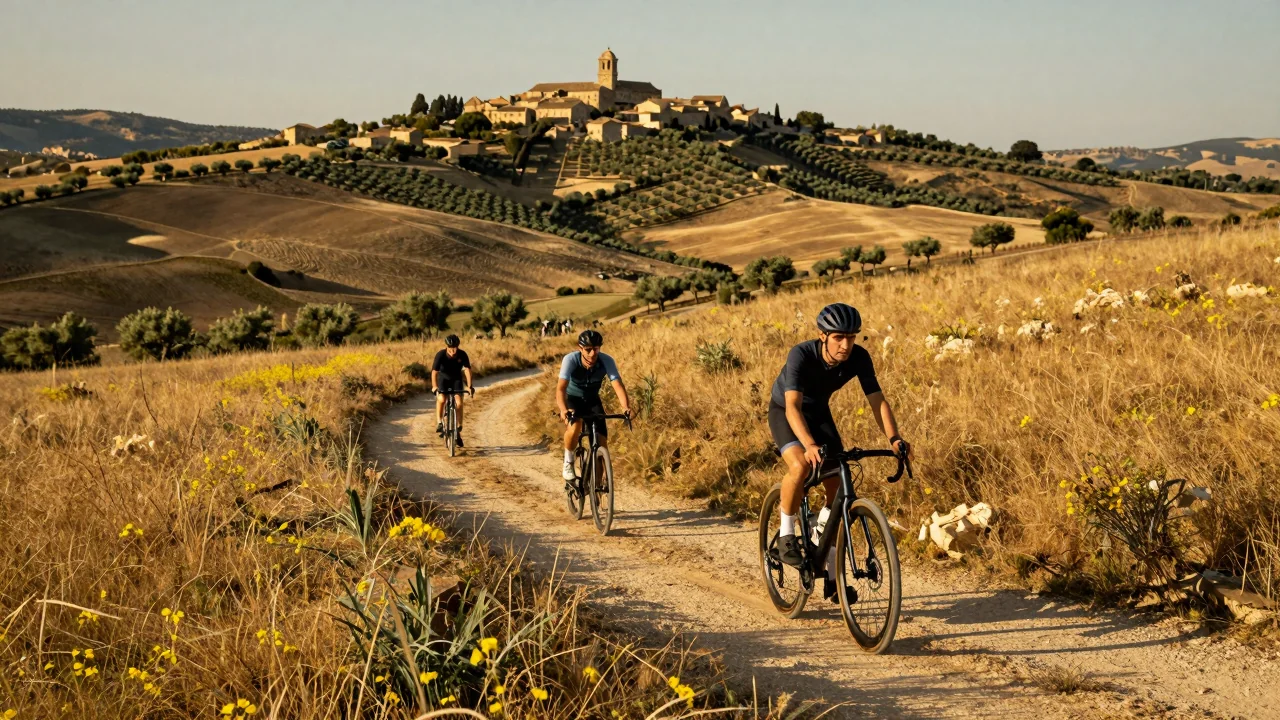
Did you know that over 60% of Spain’s cycling routes remain unexplored by tourists? In 2026, adventure seekers are flocking to cycling remote areas Spain for an off-the-beaten-path experience that combines breathtaking scenery with authentic cultural encounters. These hidden trails offer a refreshing break from crowded hotspots, allowing cyclists to pedal through untouched landscapes where time seems to stand still.
Spain’s remote cycling routes are more than just paths—they’re gateways to some of the country’s best-kept secrets. From the rugged peaks of the Picos de Europa to the sun-drenched valleys of Andalusia, these trails promise solitude, challenge, and a deep connection with nature. Whether you’re a seasoned cyclist or a curious traveler, this guide will help you navigate Spain’s most secluded routes with confidence and ease. Get ready to discover why 2026 is the perfect year to embark on an unforgettable cycling adventure through Spain’s wildest corners.
Why Choose Remote Cycling in Spain?
Spain’s cycling scene is thriving in 2026, but the real magic lies beyond the crowded trails. Remote cycling offers an escape from tourist hotspots, delivering untouched landscapes and a deeper connection with nature. Whether you’re a seasoned cyclist or a curious beginner, these off-the-beaten-path adventures promise unforgettable experiences.
The Unique Appeal of Off-the-Beaten-Path Routes
Cycling remote areas in Spain isn’t just about the ride—it’s about the journey itself. Away from bustling tourist routes, you’ll discover quiet villages, untouched countryside, and a slower pace of life that’s disappearing elsewhere. These trails often feature well-maintained paths like those found in the Orbea Occam H30, known for its 130mm travel and 29″ wheels, perfect for tackling rugged terrain at around €4,500.
- Authentic local culture: Experience Spain as locals do, with fewer crowds.
- Serene landscapes: From rolling hills to hidden valleys, the views are breathtaking.
- Wildlife encounters: Spot native species like Iberian ibex or golden eagles.
- Challenging terrain: Trails like the TransPyrenaica offer varied difficulty levels.
- Peace and quiet: Escape the noise and enjoy nature’s sounds.
These routes often follow ancient pathways, offering a glimpse into Spain’s rich history while providing a sense of adventure that mass-tourism destinations can’t match.
Top Scenic Destinations for 2026
If you’re planning your cycling remote areas Spain adventure this year, these regions should be at the top of your list. Each offers unique landscapes and cultural treasures that make the journey unforgettable. For example, the Specialized Turbo Vado SL 5.0 EQ, priced at €3,800, is ideal for urban and rural exploration with its 70mm travel and Bosch motor.
- Picos de Europa: Dramatic mountain scenery and rugged trails.
- Sierra Nevada: High-altitude routes with stunning views of the Mediterranean.
- Galicia’s Ribeira Sacra: Lush forests and riverside paths perfect for endurance cyclists.
- Extremadura’s Monfragüe National Park: Wildlife-rich trails with minimal crowds.
- Catalonia’s Pyrenees: Remote passes and quiet villages off the tourist radar.
These destinations offer a mix of challenge, beauty, and tranquility, making them ideal for any cycling enthusiast seeking something beyond the ordinary.
With these incredible routes in mind, it’s time to think about what you’ll need to pack for your adventure.
Essential Gear for Remote Cycling Adventures
Cycling remote areas of Spain demands meticulous preparation. The rugged terrain and unpredictable weather require gear that balances durability with lightweight practicality. Whether you’re navigating the Pyrenees or the Sierra Nevada, having the right equipment ensures safety and comfort on every adventure.
Must-Have Equipment for Safety and Comfort
A high-quality mountain bike is non-negotiable. Models like the Specialized Stumpjumper Comp (€2,800) or the Trek Fuel EX 5 (€3,000) are built for rough trails, offering robust suspension and reliable braking systems. Pair it with a durable helmet—such as the Giro Montaro MIPS (€120)—to protect against impacts. Don’t overlook navigation tools: a Garmin Edge 1040 Solar (€550) provides real-time GPS tracking, even in areas with limited connectivity.
For night rides or low-visibility conditions, invest in powerful lights like the Cygolite Metro Pro 1200 (€90). Hydration packs, such as the CamelBak Circuit (€60), keep water accessible without slowing you down. A compact first-aid kit—like the Adventure Medical Kits Ultralight/Watertight (€35)—ensures you’re prepared for minor injuries.
“Over 80% of cycling accidents in remote areas are linked to equipment failure or inadequate preparation.” – Spanish Cycling Federation, 2026
Packing Light Without Compromising Preparedness
Minimalism is key when cycling Spain’s backcountry trails. Opt for lightweight, multi-purpose gear like the Black Diamond Distance Carbon Z-Poles (€150), which double as trekking poles and tent supports. A compact repair kit—including a Lezyne SV Pro HP Hand Pump (€30) and spare tubes—saves weight while ensuring you can fix flats on the go.
Clothing should prioritize versatility: a Patagonia Houdini Jacket (€120) offers wind protection without bulk, while merino wool layers regulate temperature. For overnight trips, a Big Agnes Copper Spur HV UL2 Tent (€500) provides shelter without weighing you down.
With the right gear in place, it’s time to focus on the routes that make Spain’s remote trails unforgettable.
Planning Your 2026 Cycling Itinerary
Spain’s remote trails offer an unparalleled escape from crowded routes, but crafting the perfect itinerary takes strategy. Start by identifying your cycling goals—whether it’s conquering rugged mountain passes or exploring serene coastal paths. For flexibility, consider breaking your journey into manageable stages using the Specialized Turbo Vado 5.0 (€3,200), which delivers a 130 km range per charge on mixed terrain. Prioritize quiet roads like the Camino de Santiago’s northern route, where you’ll encounter rolling hills and medieval villages with minimal traffic.
Off-the-beaten-path adventures demand preparation—pack lightweight gear like the Ortlieb Ultimate6 Classic Plus panniers (€150) for waterproof storage, and use apps such as Komoot to map untouched trails. Seek out local guesthouses or albergues (budget-friendly hostels) along your route to blend authenticity with affordability. For those craving guided experiences, check out the Best Bike Tours in Mallorca Mountains for Adventure 2026—expert-led tours that balance thrill and convenience.
Crafting the Perfect Route
A well-designed route balances challenge, scenery, and logistics. Begin by mapping out your departure points and endpoints using Google Maps or Strava’s Heatmap to uncover hidden paths frequented by local cyclists. For example, the Sierra Nevada region boasts high-altitude trails like the Hoya de la Mora, where gradients reach 12% but reward riders with panoramic views of Andalusia.
Tailor your daily distances to match terrain difficulty—aim for 80–120 km on flat stretches and shorten rides in mountainous areas to preserve energy. Integrate rest days in towns like Albarracín (a UNESCO-listed village) or Ainsa, where cultural detours enrich your journey. Pro tip: Use the Garmin Edge 1040 Solar (€650) for real-time navigation and solar-powered battery life extending up to 32 hours.
Best Bike Tours in Mallorca Mountains for Adventure 2026
For those who prefer structure without losing adventure, guided tours elevate safety and enjoyment. In 2026, Mallorca’s Serra de Tramuntana remains a hotspot, with operators like Mallorca Cycling Holidays offering multi-day tours featuring the Sa Calobra Road, a 10 km descent with hairpin turns. Prices start at €950 for five days, including bike rentals (e.g., the Canyon Ultimate CF SLX 8.0 Di2 for €4,800 retail) and daily route briefings.
Opt for small-group tours (6–12 riders) to enjoy personalized attention from guides who know shortcuts through olive groves or secret viewpoints like Mirador Es Colomer. Many tours include post-ride tapas crawls in Pollença, blending physical achievement with gastronomic delights—ideal for travelers seeking both cycling remote areas Spain and cultural immersion.
As you lock in your plans, the next step is ensuring every detail aligns seamlessly with your dream ride.
Cultural Experiences Along Remote Trails
Spain’s remote cycling routes aren’t just about breathtaking landscapes—they’re a gateway to authentic cultural encounters that city tours can’t match. Pedaling through lesser-known regions like Aragón or Extremadura, you’ll discover tightly knit communities where traditions thrive untouched by mass tourism.
Connecting with Local Communities
The true magic of cycling remote areas Spain lies in the warm welcomes from villagers who’ve preserved their heritage for generations. Stop at family-run bodegas in La Rioja to taste barrel-aged wines, or join a paseo—a casual evening stroll where locals share stories over horchata. Respectful interactions go a long way: learn basic Spanish phrases (like “Hola, ¿cómo está?”) and arrive with an open heart. Many villages host cyclist-friendly albergues (hostels) where you can swap routes with fellow travelers over a shared meal.
Hidden Gems: Food, Festivals, and Traditions
Forage for wild asparagus in the Pyrenees or sample tortos—crispy pastries baked in wood-fired ovens—along Castilla y León’s backroads. Time your ride right to experience festive oddities like Valencia’s Fallas, where towering papier-mâché sculptures light up spring nights, or Burgos’ medieval Semana Santa processions. Even humble stops at roadside ventas (restaurants) serve up regional delicacies: try cordero lechal (milk-fed lamb) slow-cooked over oak embers.
Spain’s cultural tapestry unfolds most vividly when you venture off-grid, where every hill climbed reveals another layer of history and flavor.
Safety Tips for Cycling Spain’s Remote Areas
Spain’s remote trails offer breathtaking scenery but demand careful preparation. Whether you’re tackling rugged mountain passes or winding coastal paths, knowing how to handle unpredictable terrain is crucial for a safe and enjoyable ride.
Navigating Unpredictable Terrain
Spain’s diverse landscapes present unique challenges. Mountain passes like the Col du Tourmalet require a sturdy bike with wide tires for stability—consider the Specialized Stumpjumper Comp (€2,500) for its robust suspension and traction on loose gravel. Coastal routes, such as the Camino de Santiago’s coastal variant, often feature narrow, winding paths where sudden weather changes can create slippery conditions. Always check forecasts before heading out and pack appropriate gear like Giro Chrono Pro gloves (€45) for better grip in wet conditions.
Remote trails also mean limited infrastructure. Carry a GPS device like the Garmin Edge 1030 Plus (€600), which offers detailed maps of off-grid paths and emergency location tracking. Remember, even experienced cyclists should avoid overestimating their abilities—stick to trails matching your skill level when exploring remote areas.
Emergency Preparedness in Isolated Regions
Cycling Spain’s backcountry means being self-reliant. A Black Diamond Spot Gen4 (€130) satellite communicator ensures connectivity where cell service fails, allowing you to send SOS signals or check in with loved ones. Pair it with a compact first-aid kit like the Adventure Medical Kits Ultralight/Watertight (€25), which fits easily in your jersey pocket and covers cuts, sprains, and dehydration emergencies.
Hydration is another critical factor. Remote trails often lack water sources, so invest in a CamelBak Podium Chill (€15) insulated bottle to keep fluids cool for hours. If venturing into areas with sparse villages, carry extra food like energy bars or nuts—your legs won’t be the only thing feeling fatigued after long stretches without refueling.
With these precautions in place, you’re ready to embrace Spain’s untouched beauty while staying safe on every adventure.
Ready to Pedal Through Spain’s Hidden Gems
Spain’s remote trails offer some of the most breathtaking cycling experiences in Europe, and 2026 is the perfect year to explore them. From the rugged landscapes of Asturias to the sun-drenched paths of Andalucía, this guide has given you everything you need to plan an unforgettable adventure. Whether you’re seeking solitude, stunning views, or a challenge, cycling remote areas Spain promises an experience like no other.
We’ve covered essential tips on packing light, navigating offline, and choosing the best routes for your skill level. The key takeaway? Preparation is your best companion when venturing into Spain’s lesser-known cycling paradises. With this guide in hand, you’re ready to embrace the thrill of the open road while staying safe and inspired.
So, grab your helmet, check your gear, and get ready to ride. Your 2026 adventure through Spain’s remote trails starts now—let’s make every pedal count!