
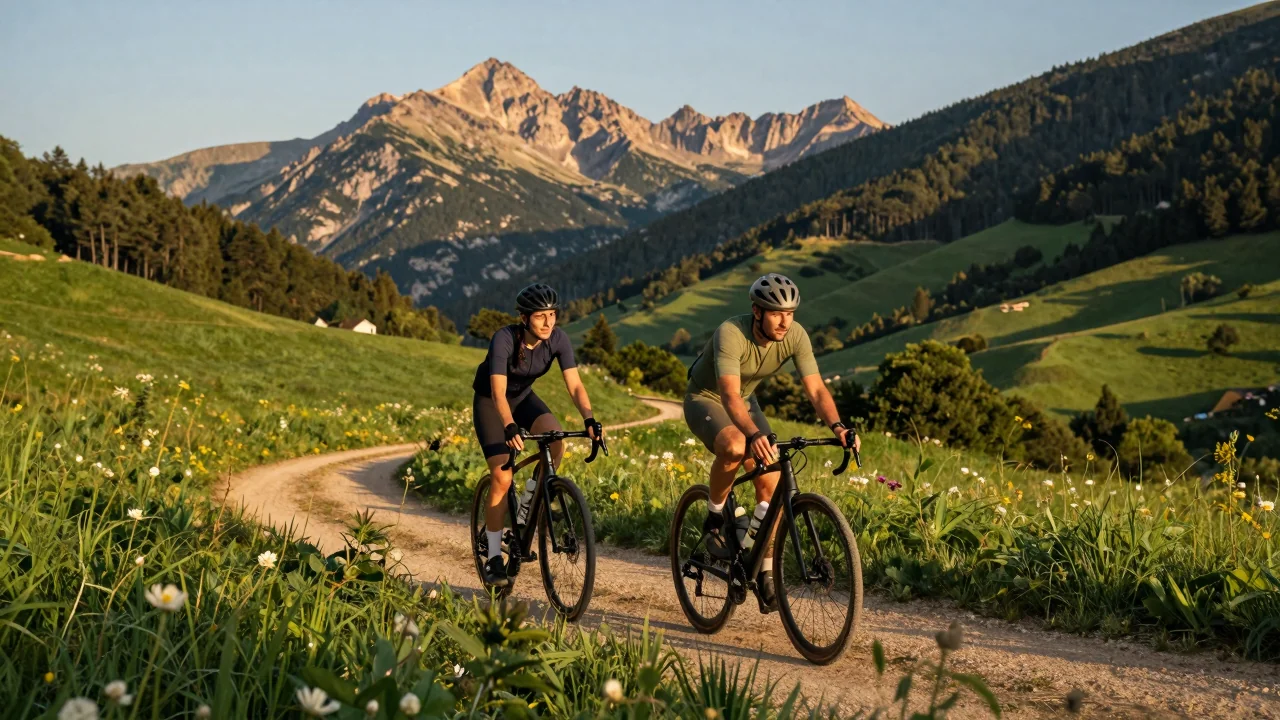
Picture this: You’re pedaling along a winding trail in Spain’s Picos de Europa National Park, the morning sun painting the jagged peaks in golden hues. The crisp 2026 air fills your lungs as you glide past emerald meadows dotted with wildflowers—this is cycling national parks Spain at its finest. There’s something magical about exploring these protected lands on two wheels, where every turn reveals a new vista that feels like stepping into a postcard.
In 2026, Spain’s network of national parks is more accessible than ever for cyclists, thanks to improved trails and eco-friendly gear innovations. Imagine tackling the volcanic landscapes of Garrotxa or cruising through the lush forests of Aigüestortes i Estany de Sant Maurici—all while supporting sustainable tourism. Whether you’re a seasoned rider or just looking for an adventure-filled getaway, these parks offer trails tailored to every skill level. And with the latest lightweight e-bikes hitting the market (like the Orbea Gain D30), even steep climbs become a breeze. Ready to trade the ordinary for the extraordinary? Let’s dive into how you can make this cycling dream a reality.
Top National Parks for Cycling in Spain
Spain is a dream destination for cycling enthusiasts, especially if you’re looking to explore its stunning national parks on two wheels. The country’s diverse landscapes—from the rugged Pyrenees to the volcanic terrains of Canary Islands—offer an unparalleled experience for cyclists of all levels. Whether you’re a seasoned rider or just starting out, Spain’s national parks provide the perfect backdrop for an unforgettable adventure.
Must-Visit Parks for Cyclists
If you’re planning your cycling national parks Spain itinerary for 2026, here are some must-visit spots:
- Picos de Europa National Park: Known for its dramatic mountain scenery and challenging climbs.
- Doñana National Park: Perfect for gravel cycling with its wetlands and diverse wildlife.
- Aigüestortes i Estany de Sant Maurici National Park: Offers alpine lakes and trails that are ideal for endurance riders.
- Sierra Nevada National Park: Home to Spain’s highest peaks, great for high-altitude training.
- Teide National Park: A volcanic wonderland in the Canary Islands with unique lunar-like landscapes.
Each of these parks has its own charm, whether you’re after epic climbs, serene landscapes, or a mix of both. For example, the Specialized S-Works Tarmac SL8 ($12,000) is a fantastic choice for tackling the steep slopes of Sierra Nevada, while a gravel bike like the Cannondale Topstone 4 ($2,500) will serve you well in Doñana’s mixed-terrain trails.
Best Time to Visit in 2026
Timing your trip right is key to making the most of your cycling adventure. In 2026, spring (April to June) and fall (September to October) are ideal for mild weather and fewer crowds. Summer can be scorching in parks like Teide, so early mornings or late afternoons are best if you’re visiting then.
- Spring: Blooming wildflowers and cooler temperatures make it perfect for long rides.
- Summer: Great for high-altitude cycling but avoid midday heat—opt for sunrise starts.
- Fall: Stunning foliage and comfortable riding conditions, especially in northern parks like Picos de Europa.
- Winter: Some parks, like Aigüestortes, may have snow-covered trails, so check conditions before heading out.
If you’re planning to ride in 2026, consider booking accommodations early, as these parks are becoming increasingly popular among cyclists. Plus, with advancements in e-bike technology—like the Trek Allant+ 9.9S ($7,500)—even steeper climbs feel manageable.
Now that you know where to go and when, let’s dive into what gear will make your cycling adventure even better.
Essential Gear for Cycling National Parks Spain
Spain’s national parks offer some of the most breathtaking landscapes for cycling, but to truly enjoy them, you’ll need the right gear. Whether you’re tackling the rugged trails of Sierra Nevada or gliding through the lush paths of Doñana, having reliable equipment can make all the difference between a good ride and an unforgettable adventure.
Must-Have Equipment for Your Adventure
First things first: your bike. For cycling national parks Spain, a versatile hybrid or mountain bike is ideal—something like the Trek FX 2 (around €750) offers a great balance between speed and stability, perfect for mixed terrain. Don’t forget a high-quality helmet; the Giro Syntax MIPS (€120) provides excellent protection with its multi-directional impact system.
Next up: navigation tools. A GPS device like the Garmin Edge 530 (€300) can be a game-changer, especially in remote areas where cell service might be spotty. And let’s not overlook comfort—padded cycling shorts (like the Pearl Izumi Quest at €80) and moisture-wicking jerseys will keep you comfortable for long hours on the saddle.
“Proper gear isn’t just about safety—it’s about enhancing your experience so you can focus on the beauty around you.” — Professional cycling coach, Carlos M.
Tips for Packing Light
Packing efficiently is key to enjoying cycling national parks Spain without feeling weighed down. Start with a lightweight backpack or hydration pack like the CamelBak Circuit (€60), which holds water and essentials without adding bulk.
Focus on multi-purpose items: a compact repair kit with a Lezyne V18 pump (€45) and spare tubes can handle most roadside emergencies. And while it’s tempting to bring everything, prioritize the essentials—water, snacks, a first-aid kit, and a lightweight rain jacket like the Outdoor Research Helium (€120).
With your gear sorted, you’re ready to dive into the next big question: how to plan your route.
Scenic Routes & Trails in 2026
Spain’s national parks are a cyclist’s dream come true, and in 2026, they’re better than ever! Whether you’re pedaling through the lush landscapes of Doñana or tackling the rocky paths of Aigüestortes i Estany de Sant Maurici, there’s something magical about cycling national parks Spain has to offer. The trails here aren’t just routes—they’re adventures waiting to happen.
Highlights of Each Park’s Cycling Trails
Each park boasts its own unique charm and challenges. In Picos de Europa, the Route of the Cares is a must-do for its breathtaking views of deep gorges and soaring peaks. Over in the Canary Islands, Explore Tenerife on Two Wheels: Top Bike Tours for 2026 takes you through volcanic terrain that feels like another planet. Meanwhile, the Sierra Nevada National Park offers a mix of alpine beauty and thrilling descents, perfect for those who love variety.
For something more relaxed, the trails in Montseny Natural Park near Barcelona are gentle and winding, ideal for leisurely rides where you can stop to enjoy picnic spots with stunning vistas. And let’s not forget about Ordesa y Monte Perdido, where the GR-11 trail lets you explore dramatic cliffs and cascading waterfalls at your own pace.
Challenging vs. Leisurely Rides
Got a taste for adventure? The cycling national parks Spain provides includes some serious challenges too. Expert riders will love the steep climbs of Teide National Park’s Montaña Blanca trail, which tops out at 3,555 meters—the perfect test for endurance and stamina. For those rides, a high-performance bike like the Specialized S-Works Tarmac SL8, priced around €12,000, is a game-changer with its lightweight carbon frame and aerodynamic design.
But what if you’re just looking to enjoy the scenery without breaking a sweat? The Giant Escape 3 (around €650) is perfect for leisurely rides through parks like Cabañeros or Monfragüe, where rolling hills and well-maintained paths make every pedal stroke feel effortless. No matter your skill level, Spain’s national parks have the perfect trail waiting for you.
So now that we’ve covered the best routes—let’s talk about what you’ll need to pack for this epic journey!
Safety & Conservation Tips for Cyclists
Planning a cycling national parks Spain adventure in 2026? Whether you’re pedaling through the dramatic cliffs of Picos de Europa or the sun-drenched trails of Doñana, keeping safety and conservation top of mind is key. Sustainable cycling isn’t just about enjoying the ride—it’s about preserving these natural treasures for future cyclists.
How to Ride Responsibly in Protected Areas
National parks are sacred spaces where nature thrives, and as cyclists, we’re lucky guests. Stick to designated bike paths, which are designed to minimize environmental impact while offering stunning vistas. Avoid shortcuts across delicate ecosystems, and always yield to hikers or wildlife—remember, they were here first! Invest in a high-quality GPS device like the Garmin Edge 1040 Solar (around €650), which helps you stay on marked trails with its built-in topographic maps.
Another pro tip? Pack out what you pack in. Even small items like energy gel wrappers can harm local wildlife if left behind. And when it comes to hydration, opt for a reusable bottle instead of single-use plastics—brands like CamelBak’s Chute Mag (€15) are lightweight and easy to clip onto your bike.
- Stick to marked trails and avoid shortcuts.
- Yield to hikers and wildlife.
- Use a GPS device like the Garmin Edge 1040 Solar for navigation.
- Pack out all trash, including small wrappers.
- Choose reusable water bottles over single-use plastics.
Wildlife Encounters: What to Do and Avoid
Imagine cruising through the lush forests of Sierra Nevada when you spot an Ibex grazing nearby—how exciting! But excitement shouldn’t turn into disruption. If you encounter wildlife, slow down, keep your distance (at least 50 meters for larger animals), and resist the urge to feed or approach them. Sudden noises or movements can startle creatures, so use a soft-spoken voice if needed.
Speaking of gear, consider outfitting your bike with fenders like SKS Race Blade Pro (€40) to prevent dirt from scattering and disturbing small animals. And if you’re cycling at dawn or dusk—prime wildlife activity times—opt for bright, reflective clothing so creatures can see you coming without feeling threatened.
- Maintain a safe distance from all wildlife.
- Avoid sudden movements or loud noises.
- Use fenders to minimize trail disruption.
- Cycle in high-visibility gear during peak wildlife hours.
- Never feed or approach animals.
With these tips in mind, you’re ready to hit the trails with confidence—and leave only wheel marks behind. Next up, let’s talk about the must-pack essentials for your cycling adventure.
Planning Your Cycling Adventure in 2026
So, you’ve got your heart set on cycling through Spain’s national parks—exciting stuff! But before you hit the trails, let’s talk logistics. Whether you’re a seasoned cyclist or just diving into cycling national parks Spain, knowing where to stay and what services are available will make your trip smoother than a freshly waxed chain.
Accommodation & Local Services
Picture this: After a long day of pedaling through the stunning landscapes of Picos de Europa, you’ll want a cozy place to rest. Luckily, many parks have charming eco-lodges or rustic guesthouses right nearby. For example, near Aigüestortes i Estany de Sant Maurici National Park, you’ll find places like Refugi Ventosa, offering breathtaking views for around €60 per night. If you prefer a bit more luxury, look into boutique hotels in nearby towns—many cater specifically to cyclists with bike storage and repair services.
And don’t forget the local services! Bike shops like Trek Bicycle Store in Barcelona or Orbea in Mallorca offer rentals and repairs if you need them. Pro tip: Pack a Garmin Edge 1040 Solar—it’s got solar charging, so you won’t have to worry about battery life on those multi-day rides.
“According to the Spanish National Parks Network, over 30% of visitors now combine outdoor activities like cycling with eco-friendly accommodations.”
Guided Tours vs. Solo Exploration
Now, here’s the big question: Do you go solo or join a guided tour? If you’re all about freedom and flexibility, solo exploration is the way to go. You can set your own pace, choose your routes (like the epic Sierra Nevada route), and discover hidden gems at your leisure. But let’s be real—navigating unfamiliar terrain can be tricky.
That’s where guided tours come in handy. Companies like Cycling Spain Tours offer small-group experiences with expert guides who know the best trails, safety tips, and even local spots for tapas after a long ride. For around €1,200 for a week-long tour, you’ll get support, gear, and peace of mind—perfect if it’s your first time cycling national parks Spain.
So, whether you’re a DIY adventurer or prefer a little hand-holding, there’s an option that fits. Next up, let’s talk about the must-pack gear to make your trip unforgettable.
Ready to Hit the Trails?
Spain’s national parks are calling your name in 2026! Whether you’re chasing breathtaking vistas in Picos de Europa, winding through the lush forests of Aigüestortes i Estany de Sant Maurici, or tackling the rugged trails of Sierra Nevada, cycling national parks Spain style is an adventure you won’t forget. Imagine pedaling past crystal-clear lakes, soaring mountains, and vibrant ecosystems—all while embracing the freedom of two wheels.
From beginner-friendly routes to challenging mountain climbs, there’s something for every cyclist. And with 2026 just around the corner, it’s the perfect time to start planning your next big ride. So, what are you waiting for? Gear up, pack your bags, and get ready to explore Spain’s wildest landscapes on two wheels. The trail is calling—will you answer?